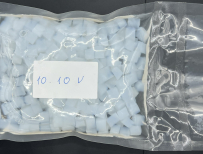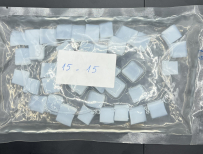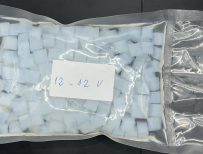


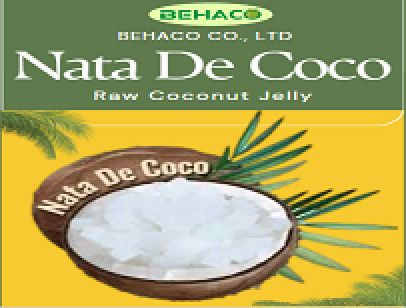
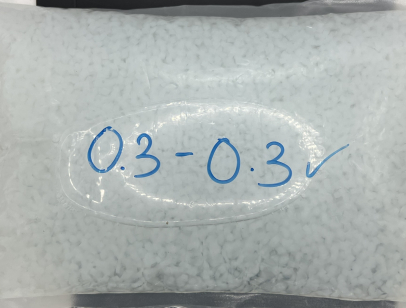
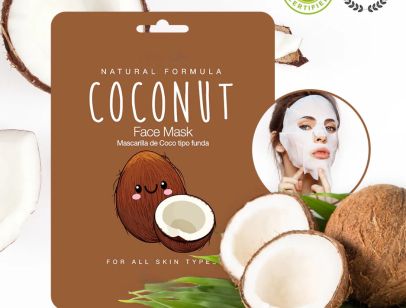
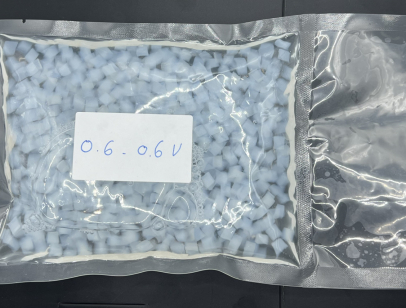
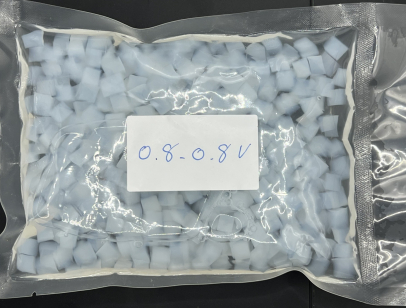
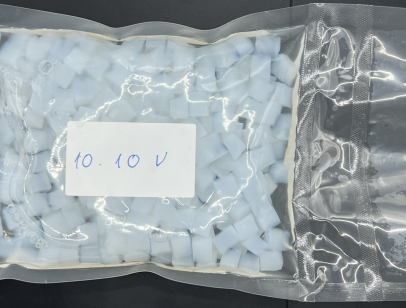
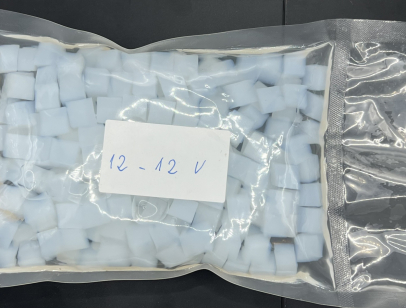
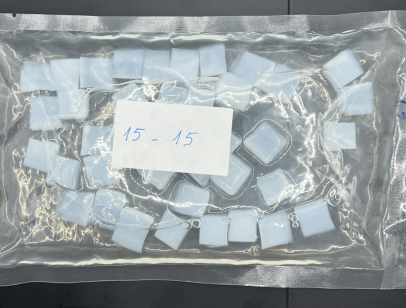
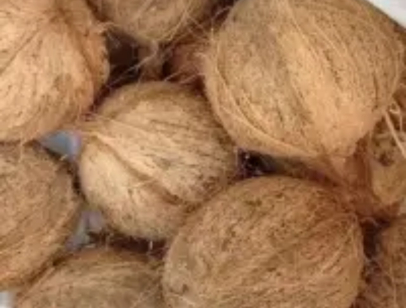
NATA DE COCO (RAW/JELLY/FACE -MASK) - DRY COCONUT
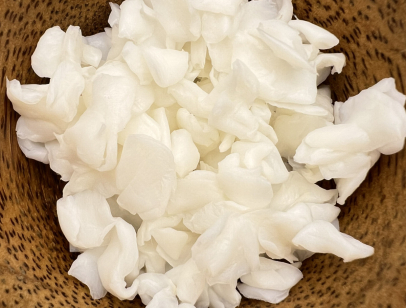
Nata de coco is a unique dish made from coconut water fermented by Acetobacter Xylinum bacteria. It brings a delicious, crunchy flavor and many health benefits.
The name "Nata" comes from the Spanish word, meaning "floating". Nata de coco is a variation of the traditional Filipino nata de piña (pineapple), replacing the pineapple with coconut water. Nowadays, nata de coco can be made from many other ingredients such as molasses and fruit juice, creating diversity for this dish. Nata de coco contains many beneficial minerals and vitamins from coconut water. The fermentation process also creates beneficial compounds, not inferior to pure coconut water. Nata de coco also provides many other vitamins and compounds that help improve health.
With great taste and benefits, nata de coco is a dish loved by all ages. Enjoy nata de coco to feel the unique taste and supplement nutrients for the body.
Production
The primarily coconut water dessert is produced through a series of steps from:
- Extraction of coconut water
- Fermentation of the coconut water with bacterial cultures
- Separating and cutting the produced mat of nata de coco
- Cleaning and washing the acetic acid out of the nata de coco
- Cutting to packaging
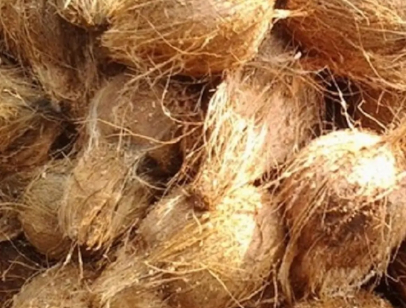
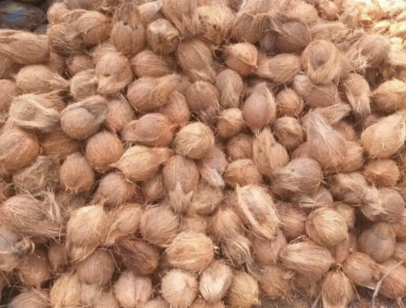
In Vietnam before, people usually process coconuts to take copra, coconut milk, make coconut oil, or dry into copra. Nowadays, copra is also processed into many other products such as coconut milk powder, dried grated copra, frozen copra, and so on, or coconut milk extracted from copra can be used as fat for many other foods such as coconut candy, coconut jam, glutinous rice chupatty, ricepaper, local dishes, etc. Copra braised with pork is one of the daily dishes of Vietnamese people.
BEHACO COMPANY LIMITED